The Unvarnished Truth Pancreatic Cancer Treatment
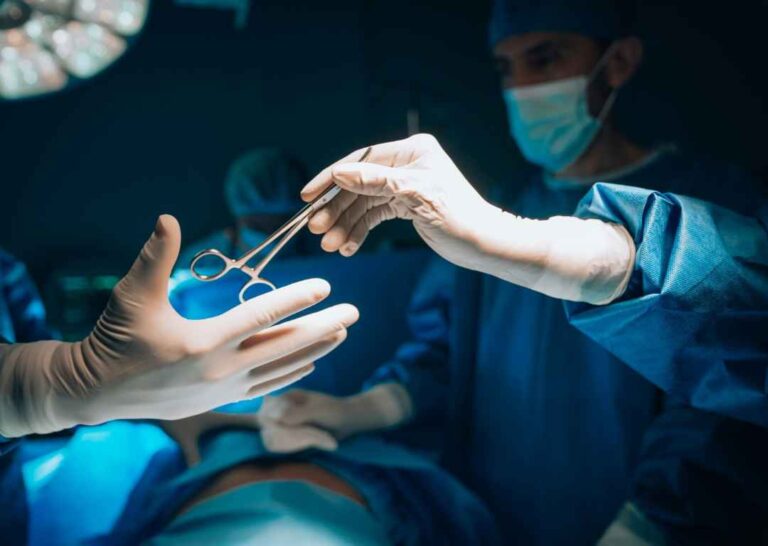
Pancreatic cancer surgery is called the Whipple. Here’s what you should know about it. The body has a terrifying way of reminding you who is actually in charge. You spend decades walking around, eating meals, drinking coffee, assuming the quiet machinery inside your belly will just keep churning along without demanding a performance review. Then, something profound breaks down. The pancreas, a slippery little gland hiding right at the back of the abdomen, suddenly needs attention. It is not an organ that likes to be touched, let alone rearranged.
Facing major surgery in this part of the body forces a brutal kind of honesty upon you. There is no room for polite fictions when your actual plumbing is on the line. You have to strip away the panic and look plainly at the mechanics of what needs to be done. If you are researching pancreatic cancer surgery singapore, you are already staring down the barrel of one of the most complex procedures a human body can undergo. Understanding the raw, physical reality of the days and months that follow is the only way to genuinely prepare yourself for the rebuild.
Pancreatic Cancer 1: The Brutal Maths of the Whipple
Let us talk plainly about the Whipple procedure. A common, costly mistake people make is believing that once the surgery is over, the disease is simply gone and normal life resumes next Tuesday. People exhaust all their mental energy just getting to the operating table and have nothing left for the aftermath. The truth is, the operation physically rewires your digestive tract. Your stomach is sewn directly to your intestine. Expecting your body to process a roast dinner three weeks later is a delusion that will only land you back in a hospital bed with severe distress.
Pancreatic Cancer 2: Trading Immediate Comfort for Long Term Survival
Here is a non-obvious trade-off most medical brochures gloss over. They tell you about the pain relief options, but they do not mention the profound exhaustion that replaces the pain. The real trade-off you are making is giving up the effortless digestion you have known your whole life for a chance at extending your years. You will likely become dependent on synthetic enzymes—swallowing a handful of pills with every single snack just to extract nutrients. It is annoying, it is tedious, but it is the non-negotiable rent you pay for survival.
Pancreatic Cancer 3: The Timeline of a Rebuilt Gut
Let us look at a concrete example of this new reality. Four weeks post-surgery, a patient might try a standard bowl of cereal with full-fat milk. Before the operation, this was a five-minute breakfast. Now, without the pancreas supplying lipase, that same bowl triggers dumping syndrome—sweats, cramps, and an immediate rush to the bathroom. The lived reality is that you must relearn eating. You start with fifty-gram portions of lean protein and complex carbohydrates, spaced out into six tiny meals a day, carefully tracking how your newly shortened plumbing handles the load.
Pancreatic Cancer 4: Knowing When to Call the Surgeon
When you are discharged, every twinge feels like a catastrophe. You need a clear decision rule so you do not spend your recovery in a state of hyper-vigilance. Here is the rule: a low, dull ache around the incision is the normal cost of healing. However, if your temperature spikes above thirty-eight degrees Celsius, or if a sudden, sharp pain makes it impossible to draw a deep breath, you stop waiting. You do not take a painkiller to see if it settles. You call your surgical team immediately. Those are the signs of a leak, and leaks do not fix themselves.
Pancreatic Cancer 5: Finding the Grit to Keep Moving
The physical rehabilitation demands a bloody-minded sort of stubbornness. The physiotherapists will tell you to get out of bed and walk the corridors when every fibre of your being wants to curl up and sleep. You have to walk. Walking wakes up the sleeping bowels, prevents the blood from clotting in your legs, and forces your lungs to expand past the pain of the abdominal incision. It is miserable work, but it is the only way out.
Surviving the rearrangement of your internal organs is an ugly, magnificent triumph. It strips you back to the very studs of your character. You learn exactly how much discomfort you can tolerate, and you discover a hard, unyielding appreciation for the simple act of digesting a piece of toast. The body is a stubborn, resilient machine, and once you accept the new rules of its operation, you can finally get on with the business of living.
More Articles Health Articles To Read
6 Tips To Understand Breast Surgery
9 Health And Wellness Tips For The Season
Brain-Body Connection How Movement Enhances Recovery
Dealing With Addiction Issues: Why You Should Go To A Rehab