You’re doing the work. So why does healing feel so hard right now? You May Have Recovery Burnout
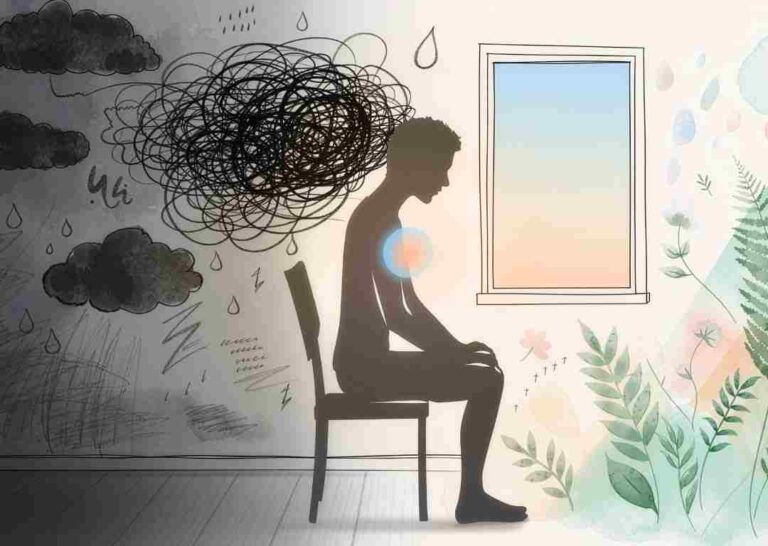
Meet recovery burnout. You’ve been going to therapy. Attending your meetings. Journaling, meditating, doing all the things you’re “supposed” to do. And yet, somewhere along the way, you started dreading the very routines that were supposed to help you heal. You feel tired — not just physically, but in some deeper, harder-to-name way. You wonder if something is wrong with you, or worse, if recovery is even working. Here’s what nobody warned you about: recovery can burn you out, too.
This isn’t a sign that you’re failing. It’s a sign that you’ve been working incredibly hard — and that your mind, body, and spirit need something different right now.
What Recovery Burnout Actually Looks Like
Recovery burnout doesn’t always look like giving up. It can be subtle — a creeping exhaustion that shows up in the quietest moments. You might recognize it as the feeling of going through the motions without really being present. Your coping tools feel like chores. The support group that once felt like a lifeline now feels like an obligation. Even the things that used to make you feel hopeful seem flat.
Therapists and recovery coaches call this “compassion fatigue” when it shows up in caregivers — but the same phenomenon can happen to the person doing the healing. When you’ve been hyper-focused on your own growth for months or years, constantly excavating painful memories, monitoring your thoughts, and trying to be better every single day, it’s only natural that something inside you eventually says: “I need a break.”
Some common signs of recovery burnout include feeling emotionally numb or disconnected from your progress, losing motivation to engage with support systems you once valued, cynicism creeping into your thoughts about whether healing is even possible, physical exhaustion that sleep doesn’t seem to fix, and a growing sense of resentment toward the recovery process itself.
Why Healing Is Hard Work (And Why That Matters)
There’s a cultural myth that recovery is a linear upward climb — that if you’re doing it right, you should feel progressively better, more hopeful, more whole. But the truth is that healing is some of the most demanding emotional labor a human being can do.
Processing trauma, rewiring thought patterns, rebuilding relationships, and learning to sit with uncomfortable feelings — this isn’t passive. It requires showing up, again and again, to do things that are genuinely hard. It makes sense that at some point, your system would signal: enough for now.
The problem is that recovery culture doesn’t always leave room for rest. We celebrate milestones and anniversaries, which are genuinely worth celebrating. But we don’t talk as much about the seasons in between — the long stretches of maintenance, the plateaus, the days when you’re not in crisis but you’re also not exactly thriving. Those days are real too, and they deserve acknowledgment.
Signs Your Recovery Journey Needs a Reset
If you’re wondering whether what you’re feeling is recovery burnout, check in with yourself honestly. Ask: When did I last feel genuinely excited about my healing, rather than just obligated to it? Have my recovery practices become rigid routines I do out of fear rather than genuine support? Am I giving myself any credit for how far I’ve already come?
A reset doesn’t mean walking away from recovery. It means getting curious about what’s working, what isn’t, and what might need to change. Sometimes burnout is a signal that a particular approach has run its course — not that recovery itself has. Your needs evolve. The tools that helped you in early recovery may not be what you need now.
How to Rest Without Losing Your Footing
The good news is that resting in recovery is not the same as relapsing or abandoning your progress. Here are a few gentle ways to reset without losing yourself:
Talk about it. Tell your therapist, sponsor, or someone you trust that you’re feeling burned out. Naming it out loud takes away some of its power — and a good support person can help you figure out what to adjust.
Simplify your practices. If your recovery routine has become a checklist that stresses you out, pare it down. What are the one or two things that genuinely help you? Start there.
Bring in something joyful. Recovery doesn’t have to be serious all the time. Make space for things that light you up — creativity, movement, nature, laughter, connection. Joy is part of healing, not a distraction from it.
Acknowledge your progress. Recovery burnout often comes with a blindness to how far you’ve already come. Write down five things that are different — better — than they were a year ago. Let yourself feel that.
You Don’t Have to Earn Rest
Recovery is not a performance. You are not behind, and you are not failing because you feel tired. The fact that you’re still here — still trying, still reaching for something better — is enough.
If your journey needs to slow down for a season, let it. Rest is not the opposite of healing. Sometimes it’s the most important part of it.
And when you’re ready — even just a little bit ready — reach out. You don’t have to figure this out alone.
→ Find the series at ReachOutRecovery.com
Lindsey Glass is a self-help author and the founder of ReachOutRecovery.com. She is the author of the Mother Daughter Relationship Makeover series.
Check Out My Books!

Like us on Facebook
Follow us on Instagram