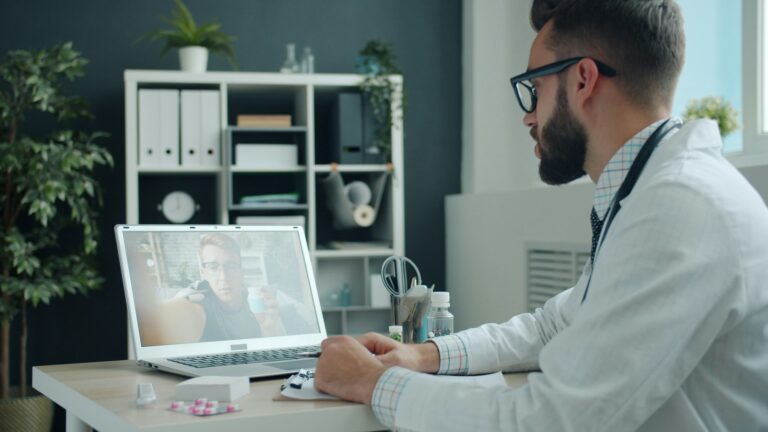
Tips About Getting Naltrexone Through Telehealth
What do you need to know about getting naltrexone and if it will work for you? I’m Koby Conrad, and I run Sunflower, a telehealth company for people who want to quit or cut back on drinking. A lot of the messages we get come from a wife, a dad, a sister or a grown kid who is worried about someone else. Many have just read about naltrexone for alcohol and want to know if it’s worth bringing up. These are the questions families ask me most, with the answers I give.
1. Getting Naltrexone: What Is Naltrexone
Naltrexone is a prescription medication. The FDA approved it as a pill for alcohol dependence in 1994, according to the National Institute on Alcohol Abuse and Alcoholism (NIAAA), and it’s one of only three medications approved in the US for alcohol use disorder.
When someone drinks, the brain releases endorphins that make the drink feel good. Naltrexone sits on the receptors those endorphins use, so alcohol delivers less of that reward. For many people, the pull toward a drink gets weaker over time. In NIAAA’s words, it “helps reduce the urge to drink.”
2. Getting Naltrexone: How Does It Work
Families often worry about swapping one drug for another. NIAAA says all the approved medications for alcohol use disorder are nonaddictive.
A 2010 Cochrane review of 50 trials found people taking naltrexone had about a 17% lower risk of heavy drinking than people on a placebo. Results vary from person to person, and it can take a few weeks to a few months to notice a change.
3. Getting Naltrexone:Is Naltrexone Right For You
Naltrexone can help adults who want to stop drinking or drink less, and some people start it while they’re still drinking. It requires a prescription, so a clinician has to evaluate your loved one first.
Naltrexone doesn’t treat alcohol withdrawal. If your loved one gets shaky or sweaty when they go without a drink, or has ever had a seizure coming off alcohol, they may need a supervised detox in person first. SAMHSA notes that clinicians often wait until after detox to start naltrexone.
The biggest safety rule is about opioids. People should not take naltrexone if they use opioids, including prescription pain pills like tramadol or codeine. Naltrexone blocks opioids, and taking it with opioids in the body can cause sudden, severe withdrawal. SAMHSA warns that trying to override the block with large doses of opioids can be fatal, and that after stopping naltrexone a person can be more sensitive to opioids than before. If your loved one takes anything for pain, make sure the clinician knows.
People with acute hepatitis or liver failure shouldn’t take it either.
4. Getting Naltrexone Through Telehealth: How A Visit Works
Most online programs start with a questionnaire about drinking, health and any medications. A clinician licensed in your state reviews it. If they prescribe naltrexone, it’s mailed home, and the person can message their care team with questions. The most common side effects are nausea, headache and dizziness. They’re usually mild, and taking the pill with food can help. Because naltrexone is processed by the liver, the clinician may order liver tests.
NIAAA lists telehealth as an outpatient option for alcohol treatment. For a lot of people the hardest part is walking into a clinic where someone might recognize them. Doing the first visit from home removes that step.
5. Getting Naltrexone Family Support: How To Help
NIAAA describes alcohol use disorder as a common medical condition that can happen to anyone. Talking about it that way can lower everyone’s guard.
When you bring naltrexone up, offer it as information and let them decide whether to look into it. I think people stick with treatment longer when it was their own choice.
Medication also works best with support around it. SAMHSA calls naltrexone one part of a treatment plan that includes counseling. As our medical director, Dr. Raphael Golebiowski, puts it, “Naltrexone gives you room to think. Therapy is what you do with that room.”
Look after yourself too. NIAAA points families to groups like Al-Anon and SMART Recovery Family & Friends.
Questions To Ask Your Clinician About Getting Naltrexone
If your loved one wants you there, bring these:
- Is naltrexone safe with my health history and the medicines I take?
- Do I need to stop drinking before I start?
- Which side effects mean I should call you right away?
- Will I need liver tests, and how often?
- How long would I take it, and who decides when to stop?
If you don’t know where to start, SAMHSA’s National Helpline at 1-800-662-4357 is free. If someone is having a seizure or hallucinating while coming off alcohol, call 911.
By Koby Conrad: Koby Conrad is the CEO & founder of Sunflower Clinic (YC S26), a telehealth clinic for alcohol and addiction treatment.
More Alcohol Addiction Treatment Articles To Read
Tips To Help if Your Child Relapses
New Traditional Healing In Recovery
Recovery Coaching With Lindsey: Recover And Build