The Growing Recognition of Cultural Approaches in Recovery
Did you know that traditional healing can play a role in addiction recovery? When you think about addiction recovery, your mind might immediately jump to twelve-step programs, therapy sessions, or medical interventions. While these approaches have helped millions, there’s a powerful movement reshaping how we understand healing from substance use disorders—one that draws from ancient wisdom and cultural traditions that have sustained communities for thousands of years.
Indigenous healing practices are increasingly recognized as vital components of comprehensive recovery programs, particularly for Native American and Alaska Native communities who have been disproportionately affected by substance use disorders. But the principles underlying these approaches—connection to community, spiritual grounding, and holistic wellness—offer valuable insights for anyone navigating the recovery journey, regardless of cultural background.
The statistics tell a sobering story. Native Americans experience substance use disorders at rates significantly higher than the general population, with alcohol-related deaths occurring at rates more than double the national average. Historical trauma, forced assimilation, loss of cultural identity, and systemic inequities have created conditions where addiction thrives. Yet within these same communities lies profound wisdom about healing that modern medicine is only beginning to fully appreciate.
Traditional Healing: Understanding the Wellbriety Movement
The term “Wellbriety” was coined by Don Coyhis, founder of White Bison, Inc., combining “wellness” and “sobriety” to describe a holistic approach to recovery rooted in Native American traditions. Unlike conventional models that focus primarily on abstinence from substances, Wellbriety emphasizes the restoration of physical, mental, emotional, and spiritual health within a cultural context.
This approach recognizes that addiction doesn’t exist in isolation. It’s often a symptom of deeper disconnection—from self, from community, from purpose, and from cultural roots. For Indigenous peoples, the loss of traditional practices, languages, and spiritual connections through colonization created a void that substances temporarily filled. Wellbriety seeks to heal these foundational wounds, not just address surface-level symptoms.
The Medicine Wheel, a sacred symbol in many Native traditions, forms the conceptual foundation of Wellbriety. This wheel represents the four aspects of human existence: physical, mental, emotional, and spiritual. True wellness requires balance across all four quadrants. When you’re struggling with substance use, one or more of these areas has fallen out of balance, and healing requires attention to all dimensions simultaneously.
Core Principles That Make Cultural Recovery Different
What sets culturally-grounded recovery approaches apart from conventional treatment models? Several key principles create a distinct framework for healing:
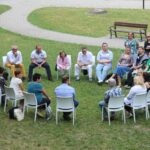
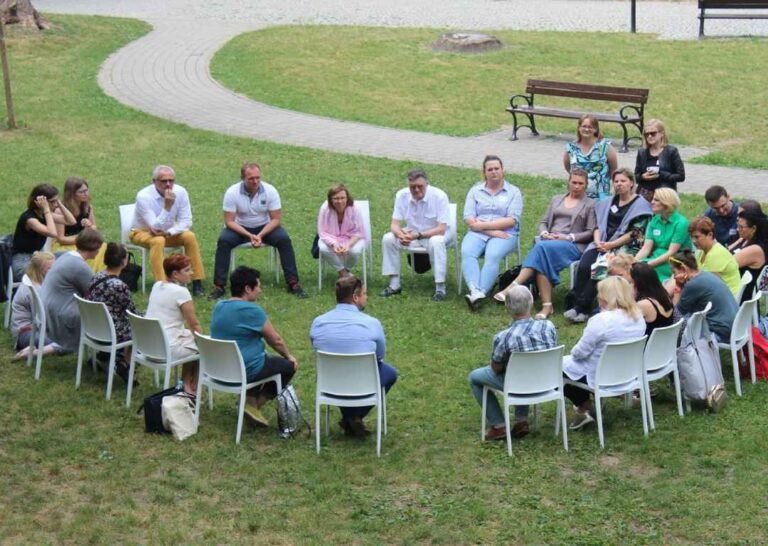
Community-Centered Healing: Western treatment often emphasizes individual responsibility and personal transformation. While personal accountability matters, Indigenous approaches recognize that you don’t heal in isolation. Your recovery is interwoven with your community’s wellbeing. Healing circles, talking circles, and communal ceremonies create spaces where you share your journey alongside others, drawing strength from collective wisdom rather than bearing your burden alone.
Spiritual Connection: Many conventional programs acknowledge spirituality as helpful but optional. In Wellbriety and similar approaches, spiritual connection is central and non-negotiable. This doesn’t necessarily mean organized religion—it’s about reconnecting with something larger than yourself, whether that’s the Creator, nature, ancestors, or the interconnected web of all living things. This spiritual grounding provides purpose and meaning that substances can never genuinely offer.
Ceremony and Ritual: Traditional ceremonies like sweat lodges, smudging, drumming circles, and seasonal celebrations aren’t just cultural practices—they’re therapeutic interventions. These rituals create structured opportunities for release, reflection, and renewal. They mark transitions, honor growth, and reinforce your connection to something enduring and sacred.
Intergenerational Wisdom: Elders play crucial roles in cultural recovery programs, serving as teachers, mentors, and living connections to ancestral knowledge. Their presence reminds you that recovery isn’t just about your individual future—it’s about honoring those who came before and ensuring wellness for generations to come.
The Science Behind Traditional Healing
You might wonder whether these traditional approaches actually work from a clinical standpoint. Research increasingly validates what Indigenous communities have known for millennia: culturally-grounded interventions produce meaningful outcomes.
A landmark study published in the American Journal of Public Health found that Native Americans who participated in cultural activities and maintained strong cultural identity had significantly lower rates of substance use and better overall health outcomes. Another study examining Wellbriety programs specifically found that participants showed improvements in self-esteem, spiritual wellbeing, and abstinence rates comparable to or exceeding conventional treatment approaches.
The mechanisms behind these outcomes make sense when you understand trauma and healing. Substance use disorders often stem from attempts to cope with unresolved trauma—particularly historical and intergenerational trauma in Indigenous communities. Cultural practices provide safe, structured ways to process these experiences while rebuilding identity and purpose.
Neurobiologically, ceremonies and communal practices activate the same brain systems that substances hijack. Drumming and chanting can induce meditative states that reduce stress hormones. Community connection triggers oxytocin release, creating feelings of bonding and safety. Spiritual practices engage reward pathways in ways that support rather than undermine your wellbeing.
Traditional Healing: Practical Elements of Culturally-Grounded Recovery
If you’re exploring recovery options that honor Indigenous traditions, what might your experience actually look like? While specific practices vary across tribal nations and communities, several elements commonly appear:
Talking Circles: These structured group sessions follow specific protocols—often involving a talking stick or feather that passes from person to person. When you hold the sacred object, you speak your truth without interruption. When others hold it, you listen with full attention. This practice teaches both honest expression and deep listening, skills essential for recovery.
Sweat Lodge Ceremonies: These purification ceremonies involve entering a dome-like structure heated with stones, where water creates steam. The intense heat, darkness, prayers, and songs create conditions for physical and spiritual cleansing. Many people describe profound insights and emotional releases during these ceremonies.
Traditional Teachings: You learn creation stories, cultural values, and ancestral wisdom that provide frameworks for understanding your life and challenges. These teachings aren’t abstract philosophy—they offer practical guidance for daily living and decision-making.
Connection to Land: Many programs incorporate time in nature, traditional food gathering, or land-based activities. This reconnects you with the earth and traditional ways of living that promote balance and sustainability.
Art and Expression: Beadwork, basket weaving, drum-making, and other traditional crafts provide meditative activities that build skills, create beauty, and connect you to cultural heritage. These practices give your hands something constructive to do while your mind processes healing.
Finding Culturally-Informed Support
Whether you identify as Indigenous or simply recognize the value of holistic, community-centered approaches, finding programs that incorporate these principles matters. Many urban areas now offer local Wellbriety meetings that welcome anyone committed to recovery through cultural and spiritual means.
When evaluating programs, look for certain indicators of authentic cultural grounding. Are Indigenous people—particularly elders and cultural practitioners—actively involved in program design and delivery? Does the program acknowledge and address historical trauma? Are ceremonies conducted by trained practitioners who follow traditional protocols? Is there emphasis on community accountability alongside individual growth?
Red flags include programs that treat cultural elements as decorative additions rather than core components, lack meaningful Indigenous leadership, or commercialize sacred practices. Authentic programs demonstrate deep respect for traditions and typically have strong connections to tribal communities and cultural centers.
Traditional Healing: Adapting Cultural Principles Across Communities
You don’t need to be Native American to benefit from the principles underlying Indigenous healing approaches. The core concepts—holistic wellness, community connection, spiritual grounding, and cultural identity—translate across diverse populations.
African American communities have developed recovery approaches rooted in Black church traditions, African spirituality, and collective resilience. Latino communities incorporate curanderismo, familia-centered healing, and Catholic/Indigenous syncretism. Asian and Pacific Islander communities draw on Buddhist principles, ancestor veneration, and collectivist values.
What matters is that your recovery connects you to something authentic and meaningful in your own background. When you ground your healing in cultural identity and community belonging, you’re not just stopping substance use—you’re reclaiming who you are and who you’re meant to become.
The Role of Traditional Healing in Comprehensive Care
It’s important to understand that cultural approaches work best as part of comprehensive care, not as replacements for evidence-based medical and psychological interventions. The most effective programs integrate traditional healing with contemporary treatment methods.
If you’re experiencing severe withdrawal, you need medical detoxification. If you have co-occurring mental health conditions like depression or PTSD, you benefit from therapy and possibly medication. If you’re dealing with legal issues, housing instability, or unemployment, you need practical support services.
Cultural healing addresses the deeper questions: Who am I? Where do I belong? What gives my life meaning? These spiritual and existential dimensions are just as real and important as the biochemical aspects of addiction. Comprehensive recovery attends to all these levels simultaneously.
Many integrated programs now offer medical care, counseling, life skills training, and cultural programming under one roof. This holistic approach recognizes that you’re a whole person, not just a collection of symptoms to manage.
Overcoming Barriers to Culturally-Grounded Care
Despite growing recognition of cultural approaches’ value, significant barriers prevent many people from accessing these services. Geographic isolation affects rural and reservation communities where resources are scarce. Funding limitations constrain program availability. Lack of trained cultural practitioners creates capacity issues. Mainstream healthcare systems often fail to recognize or reimburse traditional healing practices.
If you’re facing these barriers, several strategies can help. Many tribal health departments offer cultural programs even if comprehensive treatment isn’t locally available. Virtual Wellbriety meetings and online cultural resources have expanded during recent years. Some treatment centers partner with cultural consultants to incorporate traditional elements into conventional programming.
Advocacy matters too. When you express preference for culturally-grounded care to providers, insurers, and policymakers, you help create demand that drives system change. Supporting organizations that provide cultural programming—through donations, volunteering, or simply spreading awareness—strengthens these vital resources.
Traditional Healing: Your Personal Cultural Recovery Practice
Even without access to formal programs, you can incorporate cultural healing principles into your recovery journey. Start by exploring your own heritage and cultural roots. What traditions, values, and practices sustained your ancestors? What wisdom can you reclaim from your cultural background?
Seek connection with community, whether that’s a recovery fellowship, cultural organization, spiritual group, or informal gathering of people who share your background and values. Healing happens in relationship, and isolation feeds addiction.
Develop daily spiritual practices that ground you in something larger than yourself. This might be prayer, meditation, time in nature, creative expression, or service to others. Consistency matters more than specific form—what’s important is regular connection to your spiritual center.
Honor your body through traditional foods, movement practices, and natural remedies when appropriate. Many Indigenous healing systems emphasize that physical health and spiritual wellness are inseparable. Treating your body as sacred supports overall recovery.
Learn from elders and wisdom-keepers in your community. Their lived experience and cultural knowledge offer guidance that books and professionals cannot provide. Showing up with humility and genuine interest opens doors to mentorship and teaching.
Traditional Healing And The Future of Culturally-Informed Recovery
The integration of Indigenous healing practices into mainstream addiction treatment represents a significant shift in how we understand and address substance use disorders. Rather than viewing addiction solely through a medical or psychological lens, this expanded perspective recognizes the cultural, spiritual, and communal dimensions of both illness and healing.
Research continues validating these approaches, leading to increased funding, program development, and policy support. The Substance Abuse and Mental Health Services Administration (SAMHSA) now explicitly recognizes cultural and spiritual practices as evidence-based interventions. More treatment facilities are incorporating traditional healing elements, and insurance coverage is slowly expanding.
Perhaps most importantly, Indigenous communities are reclaiming authority over their own healing processes. After centuries of imposed solutions that often caused more harm than good, tribal nations are developing and leading recovery programs rooted in their own wisdom and values. This self-determination is itself healing, addressing the historical trauma that underlies much addiction.
Your Path Forward With Traditional Healing
Recovery is deeply personal, and no single approach works for everyone. What matters is finding methods that resonate with your authentic self and address all dimensions of your being—physical, mental, emotional, and spiritual.
If cultural and community-centered approaches speak to you, trust that instinct. Your ancestors survived unimaginable challenges and developed sophisticated systems of healing and resilience. That wisdom lives in you, waiting to be awakened and applied to your contemporary struggles.
Remember that recovery isn’t just about stopping substance use—it’s about becoming whole. It’s about reconnecting with who you truly are beneath the pain and disconnection that addiction creates. It’s about finding your place in community and contributing your unique gifts to collective wellbeing.
The journey won’t always be easy. Healing requires courage to face difficult truths, humility to ask for help, and persistence to keep showing up even when progress feels slow. But you don’t walk this path alone. You’re supported by community, guided by ancestral wisdom, and held by something larger than yourself.
Whether you engage with Wellbriety programs, other culturally-grounded approaches, or integrate these principles into conventional treatment, you’re participating in a powerful movement toward holistic, community-centered healing. Your recovery contributes to collective wellness, breaking cycles of trauma and creating new patterns of health for future generations.
Take the next step that feels right for you. Reach out to cultural organizations, attend a talking circle, speak with an elder, or simply spend time reflecting on what cultural connection means in your life. Each small action builds momentum toward the balanced, purposeful life you deserve. Your healing matters—not just for you, but for everyone whose life you touch. Welcome to the journey home.
More Addiction Recovery Articles
Dealing With Addiction Issues: Why You Should Go To A Rehab
9 Apps and Tips to Help in Early Recovery
Recovery Coaching With Lindsey: Recover And Build
Add Movement In Recovery Treatment For Lasting Success