Vagus Nerve Stimulation and Pilates Studio Palo Alto: Exploring a Whole-Body Approach to Stress Management
Vagus nerve stimulation is now all the rage because people now understand it’s a great way to mange stress. Let’s face it. Stress has become a constant issue for almost everyone. Between demanding work schedules, family responsibilities, and endless digital notifications, most of us are searching for sustainable ways to feel calmer and more balanced.
Rather than relying on a single solution, health professionals increasingly recognize the value of combining physical movement with nervous system regulation. This is where Vagus Nerve Stimulation and mindful exercise programs offered by a Pilates Studio Palo Alto can complement one another as part of a holistic wellness routine.
While these approaches work differently, they share a common goal: supporting the body’s ability to recover from stress and return to a more balanced state.
Why Does Vagus Nerve Stimulation Work For Stress Management?
The vagus nerve is the longest cranial nerve in the body, connecting the brain to major organs including the heart, lungs, and digestive system. It plays a central role in the parasympathetic nervous system, often called the “rest and digest” system.
When functioning well, the vagus nerve helps regulate:
- Heart rate
- Breathing patterns
- Digestion
- Emotional regulation
- Recovery after stressful events
Chronic stress can leave the nervous system in a prolonged state of alertness, making relaxation more difficult. Researchers continue to study how various wellness practices may help support healthy vagal function and overall nervous system balance.
What Is The Benefit Of Vagus Nerve Stimulation With Pilates?
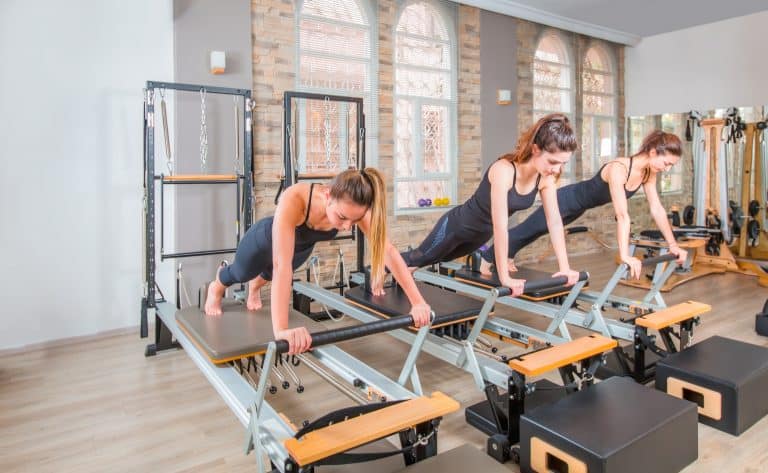
Pilates is a low-impact exercise method that focuses on controlled movement, posture, breathing, flexibility, and core strength. Unlike high-intensity workouts, Pilates encourages participants to move with intention while maintaining awareness of breath and body alignment.
Sessions often include exercises that improve:
- Core stability
- Joint mobility
- Muscle control
- Balance
- Body awareness
- Flexibility
Many people also report feeling mentally refreshed after a Pilates class because the practice naturally encourages focused attention and controlled breathing.
Vagus Nerve Stimulation: How Do Two Approaches Meet?
Although Pilates and vagus nerve stimulation are different practices, they share several complementary characteristics.
Emphasis on Breathing
Breathing is central to Pilates instruction. Slow, controlled breathing can help shift attention away from daily stressors while supporting healthy respiratory patterns.
Certain breathing techniques have also been studied for their relationship to parasympathetic nervous system activity, making breathwork an important part of many stress management strategies.
Mind-Body Awareness
Pilates requires concentration throughout every movement. Instead of rushing through repetitions, participants focus on posture, muscle engagement, and coordination.
This increased body awareness may help interrupt cycles of chronic tension that often accompany prolonged stress.
Movement Without Overloading the Body
High-intensity exercise can be beneficial for many people, but it isn’t always the best choice during periods of elevated stress.
Pilates offers gentle, controlled movement that helps improve strength and mobility without placing excessive demands on the body, making it accessible for people with varying fitness levels.
How Does Vagus Nerve Stimulation With Pilates Enhance Wellness?
A consistent Pilates routine may contribute to overall well-being in several ways.
Improved Posture
Stress often causes people to round their shoulders, tighten neck muscles, and adopt poor posture during long hours at a desk.
Pilates strengthens the muscles that support proper alignment, helping reduce unnecessary strain throughout the body.
Better Breathing Habits
Many people unconsciously take shallow breaths when feeling anxious.
Pilates encourages fuller, more intentional breathing patterns that may help create a greater sense of calm during daily activities.
Enhanced Body Confidence
Learning new movement patterns and building physical strength can increase confidence while encouraging long-term healthy habits.
Reduced Muscle Tension
Gentle stretching and controlled exercises help release tight muscles that commonly develop from stress, particularly in the shoulders, hips, and lower back.
How Does Vagus Nerve Stimulation Build a Whole-Body Wellness Routine?
Stress management rarely depends on a single habit. Instead, many experts recommend combining several healthy lifestyle practices.
A balanced routine may include:
- Regular movement such as Pilates
- Quality sleep
- Nutritious meals
- Mindfulness or meditation
- Healthy social connections
- Relaxation techniques
- Time outdoors
Each of these supports physical and emotional resilience in different ways.
Is Vagus Nerve Stimulation Approach Right for Everyone?
Pilates is suitable for many individuals because exercises can often be modified based on age, mobility, or fitness level. However, people with injuries or medical conditions should consult a qualified healthcare provider before beginning any new exercise program.
Similarly, anyone considering therapeutic forms of vagus nerve stimulation for a medical condition should discuss treatment options with a healthcare professional.
Final Thoughts on Vagus Nerve Stimulation And Pilates
Managing stress isn’t about eliminating every challenge from daily life. It’s about giving your body the tools it needs to recover more effectively. Combining mindful movement with practices that support nervous system regulation offers a comprehensive approach that addresses both physical and mental well-being.
Whether you’re exploring Vagus Nerve Stimulation as part of your wellness journey or attending classes at a Pilates Studio Palo Alto, focusing on consistent, healthy habits can help create a stronger foundation for long-term resilience and balance.
More Health Articles To Read
Benefits Of Pilates Classes In Santa Monica
Recovery Burnout: When Recovery Itself Is Exhausting
What Is The Vagus Nerve
Wellness Burnout: Avoid The Self Care Trap
Losing Motivation: 5 Tips To Heal
Nervous System Regulation