Wellness Burnout: When Self Care Is Another Stressor
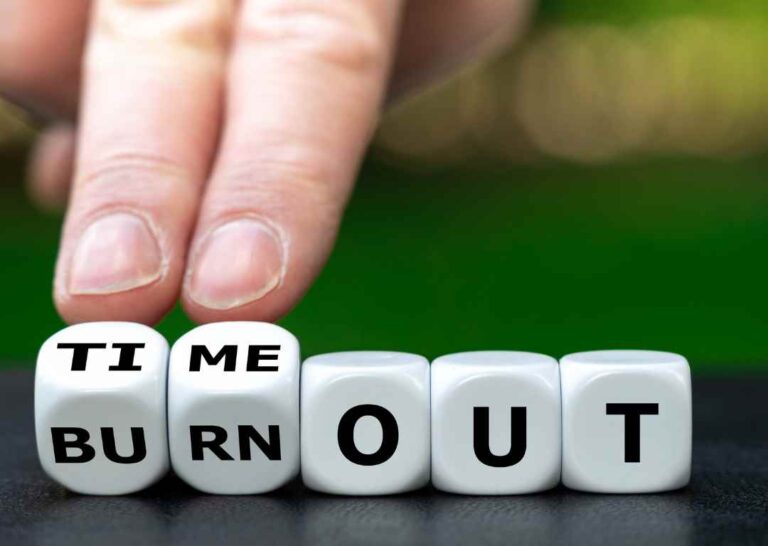
Wellness burnout is a thing that may be happening to you right now when your resolutions for a better 2026 start to feel onerous. Let’s explore the ins and outs of wellness burnout. Remember when Self care was simple. You took a walk, called a friend, got some sleep, and felt a little lighter. That’s was the good old days. But today, self-care can feel like another job.
You may see endless advice online: drink green juice, meditate daily, journal, work out, follow a morning routine, track your habits, buy supplements, take cold showers, and “heal your inner child.”
Instead of feeling supported, you feel pressure.
That pressure has a name: wellness burnout—when the effort to “take care of yourself” starts creating more stress than relief.
Let’s talk about why this happens, how it affects your mental health, and what self-care should actually look like.
What Is Wellness Burnout
Wellness burnout happens when self-care becomes:
- Too demanding
- Too expensive
- Too complicated
- Too focused on perfection
- Another thing you feel guilty about
You might start thinking:
- “If I don’t do my routine, I’m failing.”
- “Everyone else seems so disciplined.”
- “I’m behind in my healing.”
- “I need to fix myself.”
Instead of self care helping you feel better, it starts making you feel not enough.
Self Care Feels Like Pressure Today
Self care is everywhere now. That can be a good thing. Mental health conversations have opened up in powerful ways.
But at the same time, self-care has turned into a lifestyle industry. Many people feel like they must constantly work on themselves to stay “okay.”
And stress is already high. The American Psychological Association (APA) continues to track how stress affects adults in the U.S. through its annual Stress in America™ reports. (APA)
When you already feel overwhelmed, adding a strict “wellness plan” can push you into burnout fast.
Are You Coping With Wellness Burnout
Wellness burnout does not always look dramatic. It often looks like everyday exhaustion.
Common signs include:
- You feel guilty when you rest
- You treat self-care like a checklist
- You feel overwhelmed by wellness advice
- You keep “trying harder” but feel worse
- You start avoiding self-care completely
- You feel stressed about doing things “right”
- You compare your progress to others online
You might even feel like you’re doing everything you’re supposed to do—but still feel anxious, tired, or emotionally drained.
That’s not laziness. That’s overload.
When Self Care Becomes Performance
Many people don’t just practice self care anymore. They feel pressured to perform selfcare.
Social media often makes wellness look like a perfect routine with:
- flawless habits
- calm mornings
- clean meals
- a peaceful home
- constant positivity
But real healing is messy. Real life has stress, deadlines, kids, bills, grief, and emotional ups and downs. When self care becomes performance, it stops being personal. It becomes something you do to prove you’re “okay.” And that drains you.
Burnout Isn’t Just About Work
Most people connect burnout with jobs. And that makes sense.
The World Health Organization (WHO) defines burnout as a syndrome caused by chronic workplace stress that has not been successfully managed. (World Health Organization)
But wellness burnout can still feel like burnout, even if it doesn’t come from your workplace directly. Because the same pattern is there:
- You feel overwhelmed
- You feel emotionally exhausted
- You feel like nothing you do is enough
- You lose motivation
- You feel detached from your own needs
So even if “wellness burnout” isn’t a clinical diagnosis, the emotional impact is very real.
How Wellness Burnout Affects Mental Health
1. It increases anxiety
When you believe your mental health depends on doing everything perfectly, you start living in fear of messing up.
You may feel anxious about:
- missing workouts
- eating “bad” foods
- skipping meditation
- not being productive enough
That anxiety can become constant background noise in your mind.
2. It feeds self-blame
Wellness culture often sends a message like:
“If you’re still struggling, you’re not trying hard enough.”
But mental health is not that simple. Trauma, stress, hormones, grief, environment, and biology all matter.
When you blame yourself for feeling bad, healing becomes harder.
3. It creates decision fatigue
There are thousands of wellness tips online. That can leave you overwhelmed and stuck.
You waste energy thinking:
- “Should I do breathwork or yoga?”
- “Do I need therapy or coaching?”
- “Which diet supports mental health best?”
- “What morning routine is best for anxiety?”
Your brain gets tired from too many choices. That can increase stress.
4. It pulls you away from what you actually need
Sometimes you don’t need another wellness habit.
Sometimes you need:
- sleep
- support
- less pressure
- more boundaries
- time away from toxic people
- a break from constant self-improvement
Wellness burnout often happens when self-care focuses on “fixing you” instead of caring for you.
The Self Care Trap: “Do More to Feel Better”
Here’s the truth many people avoid:
You can’t out-self-care a life that constantly drains you.
If you’re overworked, emotionally unsupported, or always “on,” you may feel like you need more self-care to survive.
But what you may need even more is less stress.
That could mean:
- saying no
- reducing obligations
- getting help
- changing a routine that no longer serves you
Self care should support your life—not add more pressure to it.
The Wellness Industry Makes It Harder
Self-care has become a big business.
Some companies make money by convincing people:
- “You’re not healthy enough yet.”
- “You need this product to feel calm.”
- “You need this routine to stay grounded.”
This can turn wellness into a constant chase.
Mental Health UK published a 2025 burnout report showing that one in three adults (34%) experienced high or extreme pressure or stress “always” or “often” in the last year. (Mental Health UK)
So when so many people already feel stressed, wellness messaging can easily turn into pressure instead of support.
What Self Care And Wellness Should Feel Like
Self-care should feel like:
relief
rest
support
connection
permission to be human
Self-care should not feel like:
a punishment
a strict routine you fear breaking
something you do to earn rest
another reason to feel guilty
If your self-care is stressing you out, it needs to change.
How to Prevent Wellness Burnout (Without Quitting Self Care)
1. Redefine self-care as “meeting your needs”
Self-care is not always pretty.
Sometimes self-care is:
- taking a nap
- canceling plans
- asking for help
- eating something simple
- going quiet for an evening
Your needs matter more than your routine.
2. Use “minimum effective self care”
You don’t need ten habits. You need one or two that actually help.
Try this simple approach:
Pick 3 basics:
- Sleep
- Food
- Movement
Then add one emotional support tool like:
- journaling
- therapy
- prayer/meditation
- time with a friend
Keep it small. Keep it doable.
3. Stop chasing perfect consistency
You don’t need to do self-care every day to benefit from it.
Consistency matters, but perfection destroys progress.
It’s okay to miss a day. It’s okay to restart. It’s okay to be tired.
4. Choose self care that fits your life
Self-care should match your reality.
If you’re a parent, overwhelmed, or working long hours, your self-care might be:
- a 10-minute walk
- showering in peace
- sitting in your car in silence
- listening to calming music
That counts.
5. Focus on connection, not correction
Self-care works best when it helps you feel connected—to your body, your emotions, your values, and your people.
The APA’s research continues to highlight how much connection and support matter for well-being. (APA)
You don’t need to “fix” yourself constantly. You need to care for yourself consistently.
Final Thoughts: You Don’t Need to Earn Rest
Wellness burnout often happens when self-care turns into pressure.
But self-care was never meant to feel like another performance.
You don’t need a perfect routine to deserve peace.
You don’t need to buy more products to be worthy of rest.
You don’t need to heal on a schedule.
Sometimes the most powerful self-care is simple:
Slow down. Breathe. Let yourself be human.
Because real self-care does not push you harder.
Real self-care supports you when life feels heavy.
More Health Articles To Read
Spotlight: How Recovery Jobs Is Turning Community Into Opportunity
3 Daily Self Care Tips To Boost Recovery
Evidence Based Recovery Resources Support Sobriety
Why Loneliness Is One of the Biggest Threats to Recovery
3 Tips To Be Healthier In 2026