5 Simple Mindfulness Tips For Every Day
Here’s how these mindfulness tips can transform your life and mental health every day through the holiday season, and every day in the new year. How many times a day do you feel overwhelmed or anxious? If you’re like us you’re stressed with too much going on and not enough peace and quiet.
According to the American Psychological Association (APA, 2023), over 76% of adults report feeling overwhelmed by stress at least once a month — and much of that stress comes from internal thoughts rather than external events.
That’s where mindfulness comes in. Far from being a trend, mindfulness is a science-backed practice that helps calm your thoughts, lower stress, and anchor you in the present moment — even on your busiest days.
Below are five easy mindfulness techniques you can start today — no special equipment or long meditation sessions required.
What Is Mindfulness
Mindfulness is the practice of bringing your attention to the present moment — deliberately and without judgment. It involves becoming aware of your thoughts, sensations, and surroundings just as they are.
As mindfulness pioneer Jon Kabat-Zinn put it:
“Mindfulness is about being fully awake in our lives. It is about perceiving the exquisite vividness of each moment.”
And science agrees. A meta-analysis published in JAMA Internal Medicine (2014) found that mindfulness meditation significantly reduces anxiety, depression, and stress in diverse populations.
The best part? You don’t need to meditate for an hour a day. Even just a few minutes of practice can make a real difference.
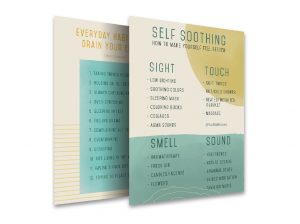
Mindfulness Tips 1. Fives Senses Grounding
This technique helps when your mind is racing or anxiety strikes. By engaging your senses, you draw your focus away from overthinking and back into the present moment.
How to do it:
- Name five things you can see
- Identify four things you can touch
- Notice three things you can hear
- Detect two things you can smell
- Focus on one thing you can taste
Slow down during each step, and breathe deeply as you go. This practice activates the nervous system’s calming response, helping reduce anxiety.
👉 A 2020 study in the Journal of Anxiety Disorders showed that regular use of grounding techniques reduced anxiety symptoms by up to 30%.
Mindfulness Tips 2. Box Breathing
Also known as square breathing, this technique helps reset your nervous system during moments of stress or overwhelm.
Steps:
- Inhale for 4 seconds
- Hold your breath for 4 seconds
- Exhale for 4 seconds
- Hold again for 4 seconds
Repeat for 1–2 minutes
This rhythmic breathing slows your heart rate and lowers cortisol levels, calming both body and mind.
📊 A 2018 study in Frontiers in Human Neuroscience found that rhythmic breathing like box breathing activates the parasympathetic nervous system, promoting relaxation and mental clarity.
Mindfulness Tips 3. Body Scan Meditation
Tension hides in the body — and often goes unnoticed. This mindfulness technique helps bring awareness to your physical state and gently release built-up stress.
How to do it:
- Sit or lie down comfortably
- Close your eyes and take a deep breath
- Start at your feet and slowly move your attention upward — through legs, hips, back, shoulders, and head
- Notice sensations: tightness, warmth, tingling
- Breathe into tense areas and imagine them softening
Even 5 minutes of body scanning can restore a sense of calm.
📖 A 2021 study in the Mindfulness Journal found that body scan meditation improved sleep quality and reduced stress in just two weeks of regular practice.
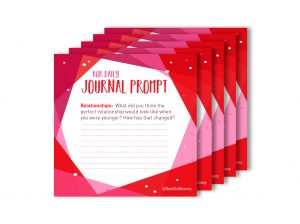
Mindfulness Tips 4.Journaling: “Name It to Tame It”
When thoughts feel jumbled, writing them down creates space. Mindful journaling helps process emotions, improve self-awareness, and calm mental chatter.
Try this simple prompt:
- Line 1: What am I feeling right now?
- Line 2: Why might I feel this way?
- Line 3: One small thing I can do to support myself today
You don’t need to write essays — just observe and reflect honestly.
🧠 A 2007 study in Psychological Science found that labeling emotions reduced activation in the brain’s fear center (amygdala), increasing emotional control.
Mindfulness Tips 5. Three-Minute Breathing Space
This bite-sized practice is perfect for people with tight schedules. It’s a quick, structured reset based on Mindfulness-Based Cognitive Therapy (MBCT).
How it works:
- Minute 1: Awareness — Notice your thoughts, feelings, and bodily sensations
- Minute 2: Breathing — Focus fully on the rhythm of your breath
- Minute 3: Expanding — Widen your attention to include your entire body and environment
⏱ Just three minutes can help regulate emotions, ease stress, and increase focus.
📉 A 2022 study in Behavior Research and Therapy found that using this technique three times a day led to a 25% reduction in daily stress.
Build A Consistent Mindfulness Habit
Mindfulness works best when practiced regularly — even in small doses.
🟢 Quick Mindfulness Tips to Stay Consistent:
- Start small: Commit to just 5 minutes a day
- Anchor it to routines: Practice while commuting, eating, or brushing your teeth
- Use reminders: Try sticky notes, alarms, or mindfulness apps
- Don’t judge yourself: It’s normal for your mind to wander — gently bring it back
Each time you return to awareness, you strengthen your mental clarity and emotional balance.
Final Thoughts
A busy mind isn’t a flaw — it’s a byproduct of a fast-paced world. But mindfulness offers a simple, powerful way to slow down, regain control, and reconnect with the present.
Whether it’s grounding your senses, breathing mindfully, or reflecting in a journal, these techniques are tools anyone can use — anytime, anywhere.
You don’t need silence or stillness to find peace — just a few moments of awareness. As mindfulness grows into your routine, your mind will gradually shift from chaos to clarity.
More Articles To Read
New Alcohol Facts: Even A Little Can Hurt
Dealing With Addiction Issues: Why You Should Go To A Rehab