Men’s Mental Health: Why More Men Are Finally Saying “I’m Not Okay”
Finally, men’s mental health is getting the spotlight it deserves. For a long time, the emotional script handed to men was short and rigid: handle it, don’t talk about it, definitely don’t cry about it. But, that has never been the recipe for great mental health–for anyone, ever. After what feels like forever, that script is finally getting rewritten. More men are open and comfortable talking about mental health and seeking support if they need it.
Men’s Mental Health: The Data Behind the Shift in Men’s Mental Health
Therapy has moved from something people kept secret to something people casually mention as a green flag, even, in how some people talk about dating. That cultural shift hasn’t been evenly distributed, but men are catching up. Mental health conversations that used to be coded almost entirely feminine are now showing up in men’s media, men’s group chats, men’s locker rooms and spaces that historically treated emotional vulnerability as a liability.
Some of this is generational. Younger men grew up with more public conversation about mental health than any generation before them, and they’re bringing that fluency into adulthood, into friendships, into how they parent. So, millennials and generation Z have widely been reported to be more focused on their mental health than any generation before them. For others, it is simply exhaustion because the old model of stoic self-reliance quietly costing men their marriages, their health, their relationships with their own kids, and enough men have watched that happen to someone close to them to want a different outcome.
Men’s Mental Health: Why Men’s Emotional Wellbeing Matters for Everyone
Men’s emotional wellbeing doesn’t stay contained to one person. It shows up in partnerships, whether personal or professional. It plays out at work in all kinds of ways based on stress or exhaustion. Their mental health affects how present a father is, or a husband for that matter. It can control whether a friendship has any depth beyond logistics. For decades, the absence of emotional language among men wasn’t just a personal cost it rippled through the people who loved them and couldn’t get past the wall.
That’s part of why the shift is landing as a public health story, not just a personal one. Brands, therapists, and workplaces are starting to tailor messaging specifically to men, recognizing that “just talk to someone” lands differently depending on decades of unlearning that has to happen first.
Men’s Mental Health: What Opening Up Actually Looks Like for Men Today
It rarely looks like a heart-to-heart with dramatic music. More often, it’s:
- A group chat where someone admits work has been brutal and gets more than a thumbs-up emoji back.
- A father telling his son it’s okay to not have it together sometimes — out loud, not just implied.
- A workout partner who becomes the person you actually talk to, because moving side by side makes the conversation feel less like an event.
- Seeing a therapist and mentioning it the way you’d mention a dentist appointment — factual, not confessional.
The format matters less than the fact that it’s happening at all.
Men’s Mental Health: The Work Still Ahead for Men’s Mental Health
None of this means the pressure is gone. Many men still describe therapy as something they arrived at only after a crisis — a breakup, a health scare, a breaking point — rather than something they reached for early. Access remains uneven, and plenty of men still carry the old script even while wanting something different.
But the direction is real. Where “man up” used to be the whole conversation, there’s now room for a second sentence: and it’s also okay to not be okay. That second sentence is new, and it’s the one worth building on.
If this resonates and you’re not sure where to start, a primary care doctor or an employee assistance program is often the simplest first step — no diagnosis or crisis required to make that call.
Frequently Asked Questions
Why are more men going to therapy now than in the past? A mix of generational shift and cultural exhaustion. Younger men grew up with more open conversations about mental health, and many older men have watched the cost of staying silent play out in their own relationships and health.
What’s still stopping men from seeking help? Access and habit, mostly. Therapy is still often something men turn to only after a crisis rather than proactively, and the “handle it yourself” script doesn’t disappear just because attitudes are shifting.
How can I support a man in my life who seems to be struggling? Low-pressure entry points tend to work best — a direct question during a shared activity, a text checking in, or simply not brushing past it when he mentions something is hard. Consistency matters more than one big conversation.
What if he won’t consider therapy? Starting smaller can help — a conversation with a primary care doctor, an employee assistance program through work, or even just talking to a trusted friend. None of these require a crisis or a diagnosis to be a valid first step.
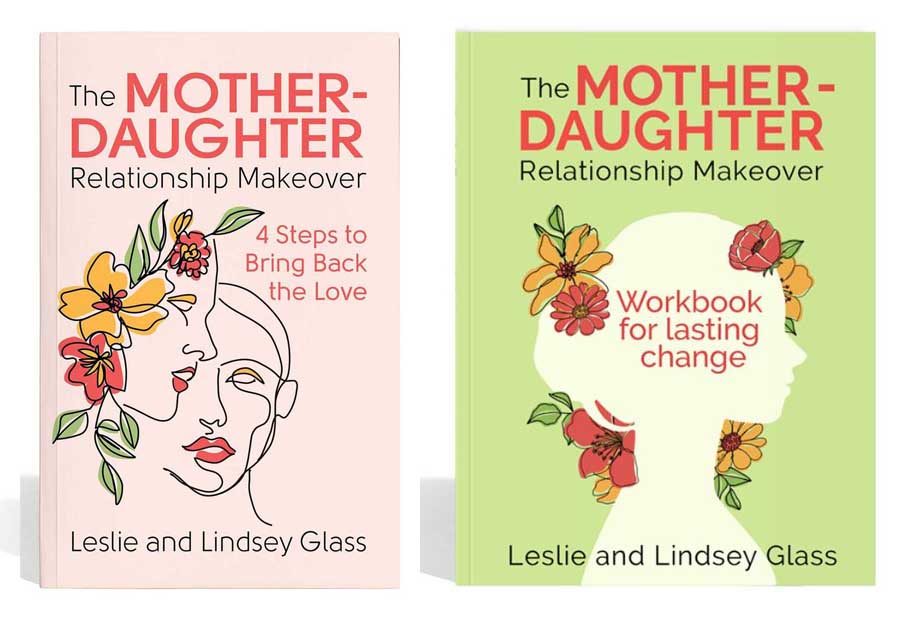
Lindsey Glass is the author of The Mother Daughter Relationship Makeover and the founder of ReachOutRecovery.com, a resource for families navigating addiction, mental health, and the relationships that hold us together.
Check Out My Books!
Like us on Facebook
Follow us on Instagram