Recovery Isn’t Just Sobriety: The Rise of “Behavioral Sobriety”
For years, when people asked us what recovery looked like, we talked about the obvious thing. The drinking. Putting down the bottle, counting the days, learning to sit in a room full of strangers and say the hardest sentence in the English language out loud.
But here’s what nobody told us in the beginning. Sobriety from alcohol was only the first layer.
Underneath it, we found a whole closet full of other coping mechanisms we’d never even named as coping mechanisms. Shopping. Spending money we didn’t have on things we didn’t need. Hours lost scrolling, buying, returning, buying again. None of it looked like addiction from the outside. It looked like a woman treating herself. It looked like retail therapy, which is a phrase we used to say out loud without a hint of irony.
It took us a long time to understand that these behaviors were doing the exact same job the alcohol used to do. They were numbing something. Filling a gap. Giving us a hit of relief that lasted about as long as the drive home from the mall.
There’s a term for this now that we wish we’d had years ago: behavioral sobriety. It’s the idea that addiction isn’t only about substances. It’s about any behavior we lean on compulsively to avoid feeling something we don’t want to feel. Shopping. Spending. Overeating. Doom scrolling at midnight when we should be asleep. The substance changes but the pattern underneath it doesn’t. And, anyone who has an addict brain will recognize what I’m talking about here.
So…Meet Behavioral Sobriety
We think this matters enormously, and not just for people in recovery from drugs or alcohol. It matters for anyone who has ever looked at their bank statement and felt a wave of shame they couldn’t quite explain. It matters for anyone who has promised themselves they’d stop buying things they don’t need, and then found themselves doing it again three days later, almost on autopilot.
When we talk about our own messy years, the drinking gets most of the attention because it’s the most dramatic part of the story. But honestly, the spending, the messy relationships, the messy lifestyle all did just as much damage. It strained our relationship in ways that took years to untangle. It wasn’t just about money, or attention, or obsessing though the money and relationships were real and the consequences were real. It was about what those behaviors meant. Every purchase, every date, every scroll was a way of saying I am not okay and I don’t know how else to tell you that.
Recovery, for us, eventually meant learning to sit with that discomfort instead of buying our way out of it. That sounds simple written down like this. It was not simple to live.
How To Think In Terms of Behavioral Sobriety
What actually helped was turning the question around. Instead of asking what am I going to buy or do to feel better, we started asking what am I actually feeling right now. Sometimes the honest answer was lonely. Sometimes it was angry at each other and too afraid to say so. Sometimes it was just exhausted in a way that had nothing to do with sleep. Naming the real feeling took away some of the power those other behaviors used to have over us.
We also had to get honest about triggers, the same way you would with any other addiction. For us, stress was a big one. So was feeling unseen, especially in our relationship with each other. Once we could name the trigger in the moment, we had an actual choice instead of a reflex. That’s the whole difference, really. Recovery isn’t the absence of the urge. It’s the space that opens up between the urge and the action, the space where you finally get to choose something different.
If any of this sounds familiar, we want you to know two things. First, you are not weak, and you are not alone, and this is not really about the shopping or the scrolling or whatever your particular version of it looks like. It’s about what you’re trying not to feel. Second, healing this is absolutely possible, but it usually can’t happen in isolation. It happens in relationship, with other people who can see you clearly and love you through the mess anyway.
That’s a big part of what we’re building with our new show, and honestly it’s a big part of what got us from messy to marvelous ourselves. Not perfect. Not tied up neatly. Just honest, and healing, one uncomfortable feeling at a time.
Questions People Ask Us About Behavioral Sobriety
What is behavioral sobriety? Behavioral sobriety is the practice of recognizing and recovering from compulsive behaviors that aren’t tied to drugs or alcohol, like overspending, overshopping, or compulsive scrolling. These behaviors often serve the same emotional purpose substances do, which is numbing or avoiding uncomfortable feelings.
Is shopping addiction a real thing? Yes. Compulsive shopping and spending, sometimes called a process addiction, can follow the same emotional cycle as substance addiction. There’s an urge, a temporary relief when you act on it, and often shame or regret afterward. It can strain finances and relationships in very real ways.
What is a process addiction? A process addiction is a compulsive attachment to a behavior rather than a substance. Shopping, spending, eating, scrolling, and gambling are common examples. The behavior itself becomes the coping mechanism.
How do you stop compulsive spending or shopping? For us, it started with pausing to name what we were actually feeling before reaching for our wallets or our phones. Identifying personal triggers, like stress or feeling unseen, made a real difference. We also found that healing didn’t happen in isolation. It happened in honest relationship with people who could see us clearly.
How is behavioral sobriety connected to recovery from alcohol or drugs? The underlying pattern is often the same. Whatever the behavior looks like on the outside, the goal is usually to avoid or numb a feeling. Working on one form of compulsive coping often means the others show up too, which is why we think of recovery as bigger than sobriety from any one thing.
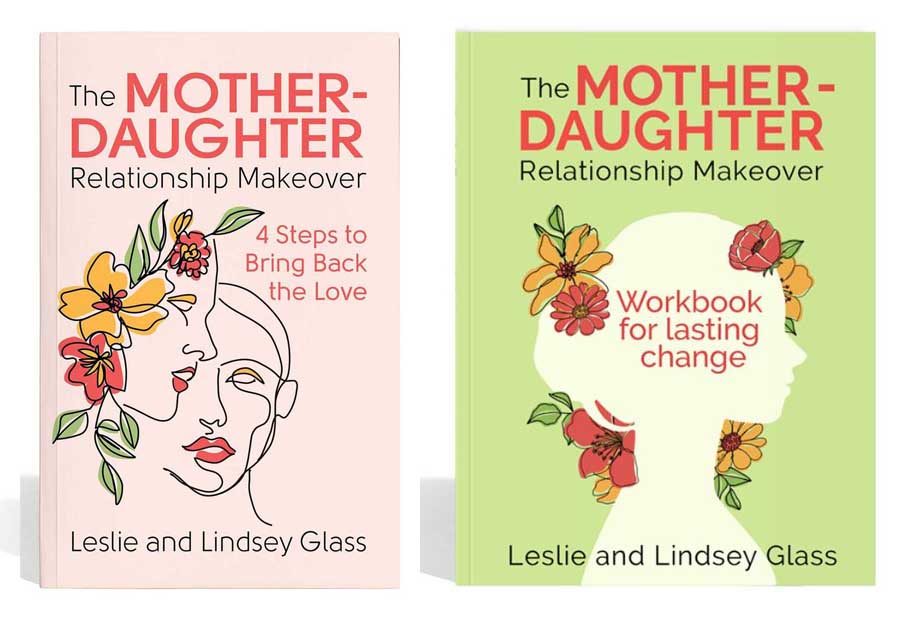
Lindsey Glass is the author of The Mother Daughter Relationship Makeover and the founder of ReachOutRecovery.com, a resource for families navigating addiction, mental health, and the relationships that hold us together.
Check Out My Books!
Like us on Facebook
Follow us on Instagram