Loneliness Can Be A Dangerous Thing For Sobriety
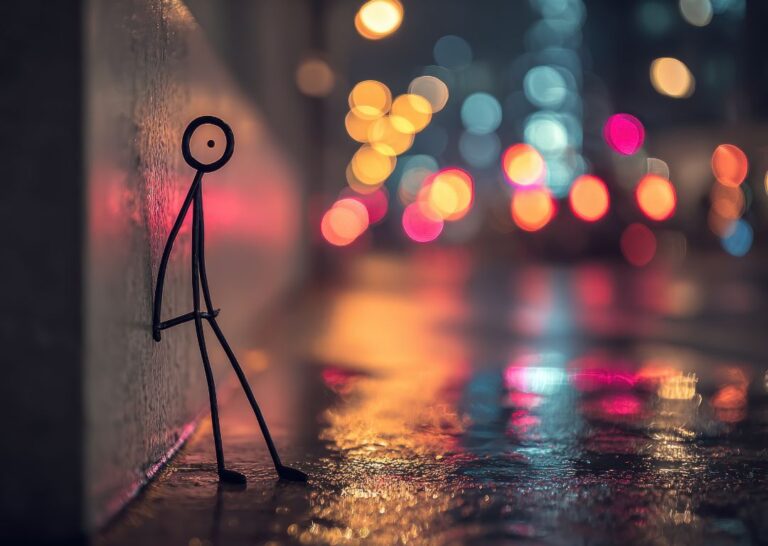
I know this from personal experience, as well as from being a recovery advocate for over 15 years. You see, loneliness is more than an emotional experience — it is a measurable public health issue with profound effects on physical and mental health. Recent data show that approximately one in three adults in the United States report feeling lonely, and about one in four lack social and emotional support altogether.
Public health research, including the U.S. Surgeon General’s advisory on social connection, identifies loneliness and social isolation as risk factors for cardiovascular disease, stroke, and premature death at rates comparable to or greater than established health threats such as obesity and physical inactivity. Loneliness is also associated with increased anxiety, depression, and risks of suicide — outcomes that are especially relevant for people navigating recovery from substance use and mental health disorders.
Managing Loneliness Is Part Of Addiction Recovery
For people in recovery, the stakes are high: studies indicate that nearly 80 percent of individuals seeking treatment for substance use report frequent feelings of loneliness, and almost 70 percent describe loneliness as a “serious problem” in their lives. Without connection, individuals are more likely to self-medicate emotional distress and less likely to complete treatment or sustain long-term recovery outcomes.
In response, recovery communities have expanded beyond clinical care to emphasize relationships, peer engagement, and community participation as integral components of sustained wellness. Research on peer-based recovery support shows positive effects on recovery capital — the internal and external resources that support long-term healing — and on health outcomes such as reduced psychological distress and increased quality of life.
Community programs take many forms. Traditional mutual-help organizations like Alcoholics Anonymous and Narcotics Anonymous provide structured, peer-driven meeting environments with global reach and long-standing evidence of impact on recovery outcomes. More recently, Recovery Community Centers have emerged as hubs that offer not only social support but access to housing resources, employment services, educational opportunities, and social activities. Participation in these centers is associated with increased recovery capital, higher quality of life, and decreased psychological distress, particularly for individuals with more complex clinical needs.
These community-based efforts reflect a growing understanding: healing does not happen in isolation. Belonging — whether through structured peer support, group meetings, or shared purpose — creates the social infrastructure that protects health and supports long-term recovery. Research suggests that when people in recovery engage regularly with peers and community supports, they are more likely to stay connected, build resilience, and maintain well-being over time.
Other Tools For Managing Loneliness
While recovery groups are still a part of my life today, and I recommend them for people in recovery. Here are Reach Out Recovery, I also pitch a whole wellness lifestyle. I’ve made wonderful friends, and found welcoming communities in Yoga studios, Buddhist groups, Church groups, Service Organizations like Rotary, which I’m also still a member of. At Rotary, we give back to our communities and help people in need. All of these contribute to my mental health and wellness, give me a sense of fulfillment and satisfaction and brought me healthy relationships with good people. So, turn to physical activities, hobbies, new skills, spiritual pursuits or whatever your interests include to stay connected and focused on healthy living.
Get a FREE Download of The Mother-Daughter Relationship Makeover
The Mother Daughter Relationship Makeover
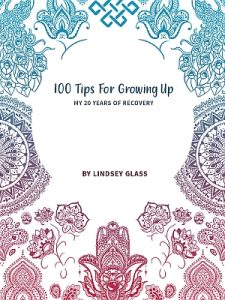
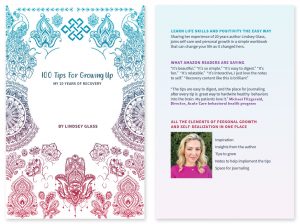
Check out Lindsey’s book: 100 Tips For Growing Up
More Empowerment Articles For 2026
Best Self Care Tips For Brain Health In 2026
7 Recovery Resolutions To Prevent Relapse
5 Tips For A Stress-Free Holiday Season
Follow us on Instagram
Like us on Facebook